
Cost-to-serve
Your detention charges went up. Can you see why?
Detention grows without anyone deciding it should. Four things drive it, one of them is the carrier, and your invoice doesn't show you any of them.
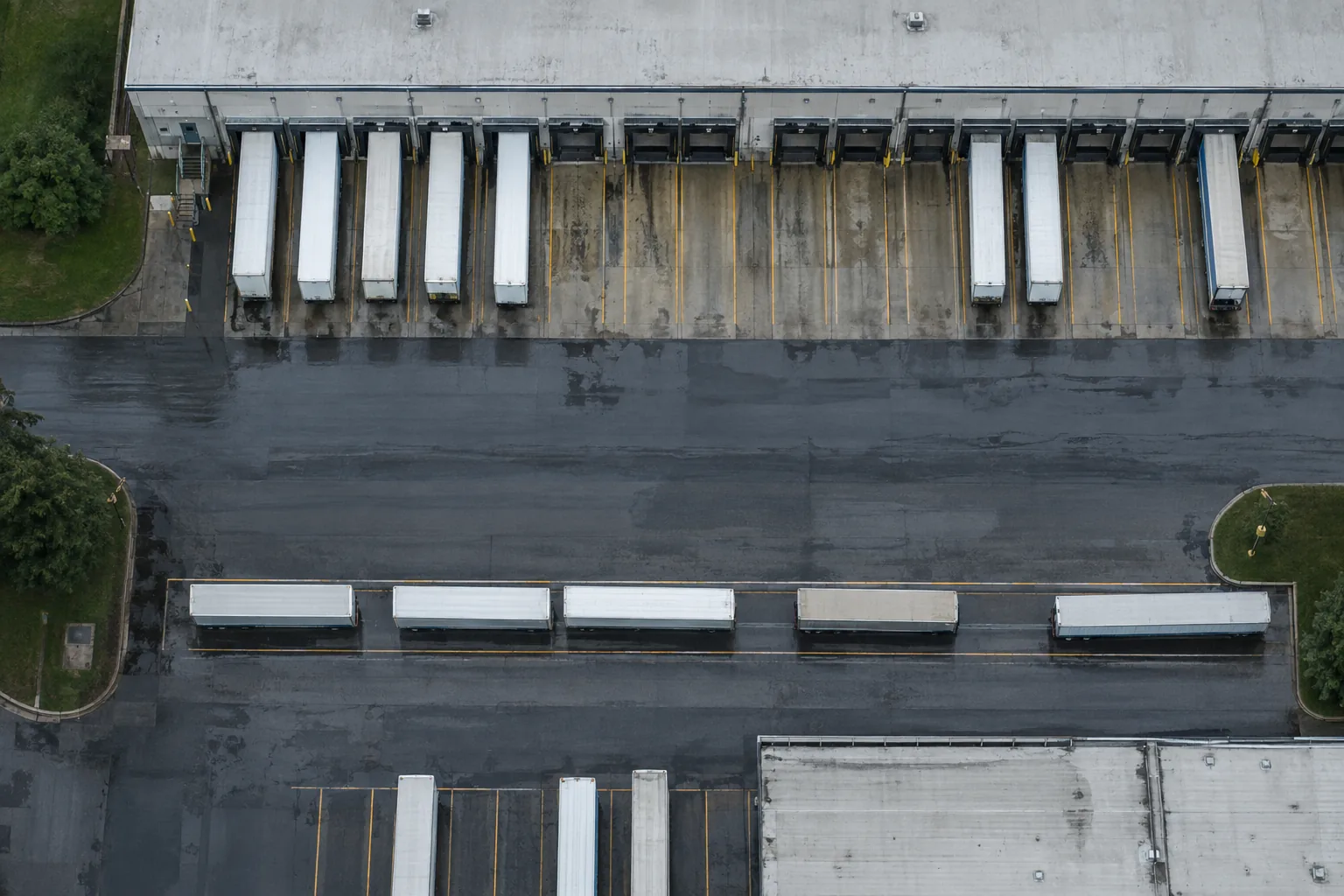
Your detention and redelivery line is up, and the explanation you keep getting is “the market.” Detention usually comes from a handful of measurable causes, and several of them happen inside your own operation.
What the charge covers
Detention is charged when a truck sits at your dock, or your customer's, past the free time in the contract, which is usually two hours. Redelivery is charged when the truck leaves without unloading and comes back. Reconsignment is charged when the load is sent somewhere else mid-transit. Most invoices roll all three into one number under "accessorials." From one number, you can't tell which of three unrelated problems caused it.
The four causes, in the order they matter
- Dock dwell on your side. Receiving hours narrowed, a shift got cut, a lumper arrangement changed, or your dock is scheduling more appointments per hour than it can turn. This is the most common cause and the last one most shippers check, because the answer lands on their own dock.
- Appointment window compression at the consignee. Grocery and club DCs have spent five years tightening delivery windows and enforcing them. A window that was four hours and is now ninety minutes turns ordinary traffic variance into a missed appointment. At a large DC that missed appointment becomes a redelivery rather than a late unload.
- Order size shrinking. Food and CPG order profiles have been shrinking since 2020. Smaller orders more often means more stops to move the same volume, and detention scales with dock encounters rather than with miles.
- Carrier selection and tender behavior. The obvious one, and the smallest. A carrier that accepts loads it cannot cover on time will run up detention. Start here and you'll find a carrier eating the consequences of causes one through three.
How to make the breakdown appear
The detail exists in the carrier's system, because that is how they calculated the charge. Ask for it in writing: accessorial detail by cause code, with arrival time, unload start, unload complete and appointment time on every charged event. Any carrier or broker running a real TMS can produce this. Some will push back. That tells you something too.
After that, it's arithmetic:
- Group charged events by facility. Detention bunches up at two or three locations instead of spreading evenly.
- Within each facility, split by arrival hour. Charges clustered between 5am and 8am point at your dock schedule.
- Compare appointment time to arrival time. Trucks arriving on time and charged anyway means your dock is the constraint. Trucks arriving late means your routing is.
- Divide total detention by cases delivered per facility. That per-case number is small, and it gets attention in a meeting.
What a 34% increase turns out to be
In the networks we've taken apart, a sharp year-over-year jump in detention is rarely one thing. Most often a large customer compressed its appointment window in the same year your average order got smaller, and the two compound: tighter windows on more frequent deliveries. Neither change shows up on a transportation report. Both show up on the accessorial line.
Detention is just the part that comes with an invoice. The same conditions are also stretching your routes, hurting carrier acceptance and pushing up base rates at your next bid, and none of those send you a bill.
Where to start on Monday
Ask for ninety days of accessorial detail by cause code and facility, then sort it by facility. If more than half your detention comes from fewer than three locations, and it usually does, you have turned a company-wide cost problem into a conversation about two docks. That's a much easier meeting to get on the calendar.